“Whoever is kind to the poor lends to the LORD, and He will reward them for what they have done.” — Proverbs 19:17
Every Caribbean economy needs a reliable public transportation system. Citizens must get to work, school and hospital — on time, safely and affordably. Yet the economics are brutal: Peak-hour routes may be profitable, but services to rural and low-income communities, while essential for national productivity, often run at a loss.
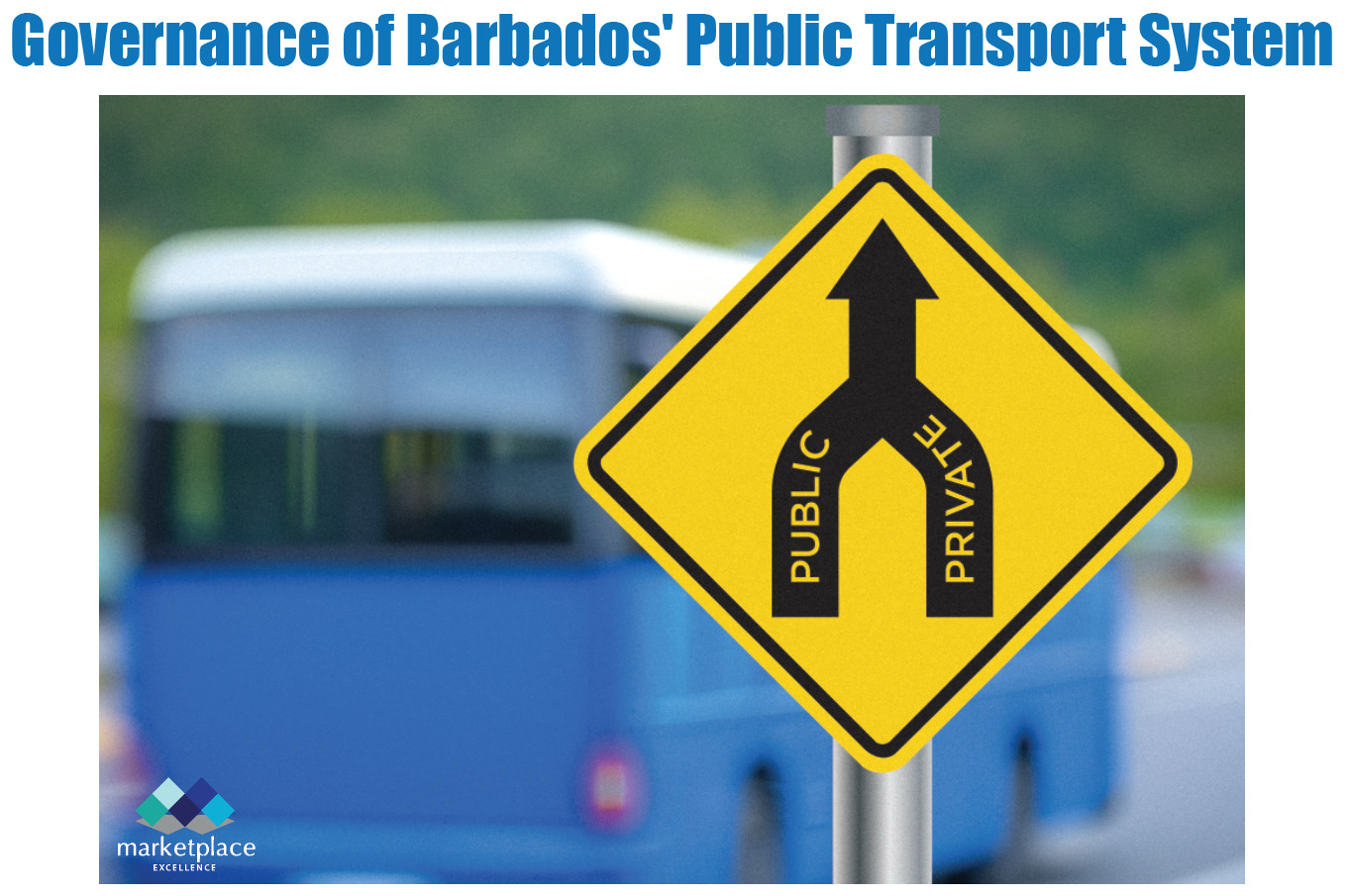
This challenge faces all Caribbean states. In Barbados, there have been casual calls for full privatization of the public transportation sector. But leaving it entirely to private operators risks cherry-picking only the profitable routes. Relying solely on the state often leads to inefficiency and growing deficits. A smarter third way is needed.
The solution: Public purpose, private management, hybrid governance.
Government’s role is to define the “what” — universal access, safety standards, affordable fares for workers and students, and carbon reduction targets. Government should not run the buses. That is the “how” — where the private sector excels in efficiency and innovation.
Here is a practical structure:
1. Ownership and risk: Establish a Transport Operating Company with majority private equity. Private operators bring proven expertise in fleet management, digital routing, maintenance and customer service. The government retains a “golden share” to safeguard essential routes, fares and service levels. The company will not be profitable on every route — and that reality must be acknowledged upfront.
2. The viability gap: Noncommercial but socially vital routes should be supported through a transparent Public Service Obligation fund. The government pays the operator a clear fee per service to run these routes. This is not a subsidy for inefficiency; it is a performance-based contract for delivering a public good, with penalties for failing to meet standards. In effect, the government is buying seats for citizens who need them.
3. The 3M Shepherding Model:
o Metamorphosis — Use High Impact Growth Strategy Workshops (HIGS) to redesign the network with feeder vans, ride-share integration, school specials and night economy routes.
o Money — Capitalize the company through a Quick Response Equity Fund so taxpayers do not bear the cost of new buses; private investors do.
o Management — Appoint an independent board, enforce real-time GPS monitoring, and provide life coaching and business mentoring to drive operational excellence.
The operator earns returns through efficiency gains, higher ridership and ancillary revenue — advertising, logistics and charters — not by abandoning unprofitable routes. The government fulfills its social mandate without draining the Treasury. Citizens get dependable service.
The state should not drive the bus. But it must own the map and maintain the roads and routes that everyone deserves. This hybrid model delivers governance for maximum efficiency and equity. It is serious business.
Dr. Basil Springer GCM is a corporate governance adviser. He can be reached at basilgf@marketplaceexcellence.com. His columns may be found at www.nothingbeatsbusiness.com.